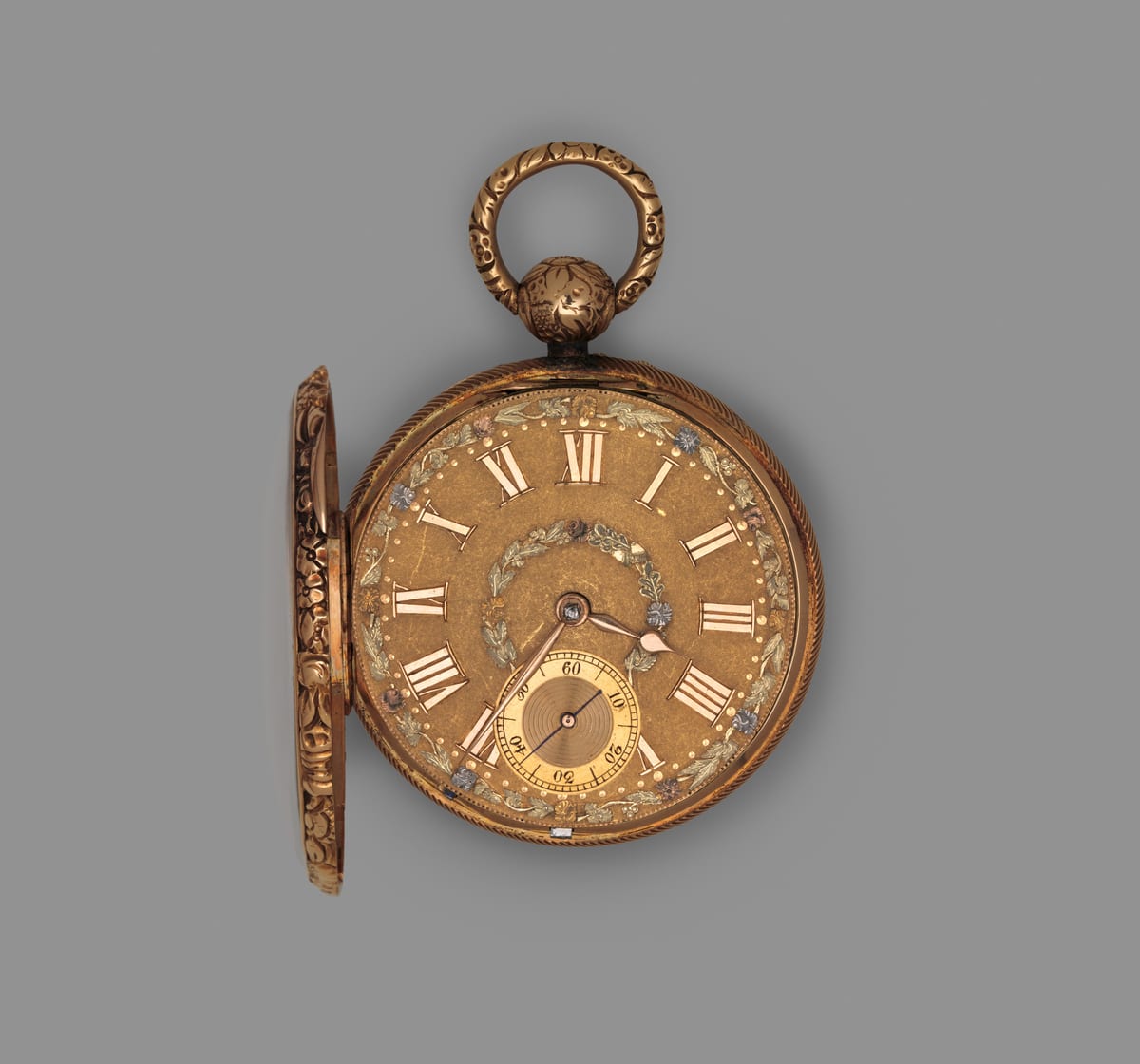
‘About time’ leads a double life. In its plain sense it just means that the right moment is near: “it’s about time for the game to start” tells you kick-off is close. Said with a raised eyebrow, though, “it’s about time” means the opposite of nearly - that the thing in question is long overdue and should have happened ages ago. When the bus finally appears, or a friend at last returns a borrowed book, “about time” (or, in Britain especially, “about time too”) delivers a compact little verdict: you took far too long. In that use it is the polar opposite of arriving in the nick of time.
What’s the origin of the phrase ‘about time’?
On the face of it there is nothing here to explain. ‘About’ has carried the sense ‘near in time, number or degree; approximately’ since late Old English, so “it is about time to go” is a plain literal statement that the moment of going is close. The literal use is too commonplace and too old for any first outing to be traceable.
The interesting question is how the sarcastic sense arose, and the answer lies in understatement. Greeting the latecomer with “well, it’s about time” doesn’t say the moment is approximately right; it says the right moment came and went long ago. Calling it merely ‘about time’ deliberately undersells the delay; the irony does the work. English already had a phrase for this job in ‘high time’, which is centuries older: the King James Bible of 1611 has, at Romans 13:11, “now it is high time to awake out of sleep”. ‘High’ there means fully arrived, as in high noon. ‘About time’ replaced that note of urgency with a shrug of exasperation.
Dating the ironic use is awkward, because on the page it looks identical to the literal use and only context, or tone of voice, gives it away. Etymological dictionaries record the sense ‘long past due time’ from 1920, and it does have the flavour of early twentieth century colloquial speech, but the habit of mind is surely older than that in conversation. Anyone who could say “about time” flatly could also say it pointedly, and speech leaves no records.
The British extension ‘about time too’, often ‘and about time too’, sharpens the complaint. The ‘too’ adds nothing logical; it is pure grumble, a verbal folding of the arms. That form remains chiefly British, while the bare “it’s about time” is now standard on both sides of the Atlantic, whether as a mutter at a delayed train or a campaigner’s cry for a reform that ought to have come years earlier.