To describe someone as washed up is to say they are finished, no longer able to perform at the level they once did. It is most often aimed at people whose careers have run their course, an actor, a boxer, a sportsperson, a politician, but it can be used more generally of anything that has stopped being useful or effective. The tone is usually blunt and a little dismissive, sometimes said in pity and sometimes as an insult, and the fuller form “all washed up” carries the same sense with extra finality.
What’s the origin of the phrase ‘washed up’?
The figurative sense of washed up, meaning no longer effective, is dated by Etymonline to 1923, where it is traced to theatre slang. Performers spoke of washing up, that is washing off their stage makeup, at the end of a job, and from there the phrase came to describe a performer whose run of work was over. Etymonline notes that the expression is said to have been picked up next in boxing slang, a natural fit given how often fighters are judged to be past their best. Dictionary.com’s coverage of the term confirms this timing, noting that by the early twentieth century both washed up and the related washed out had developed figurative meanings distinct from any literal sense of being drenched or covered in water.
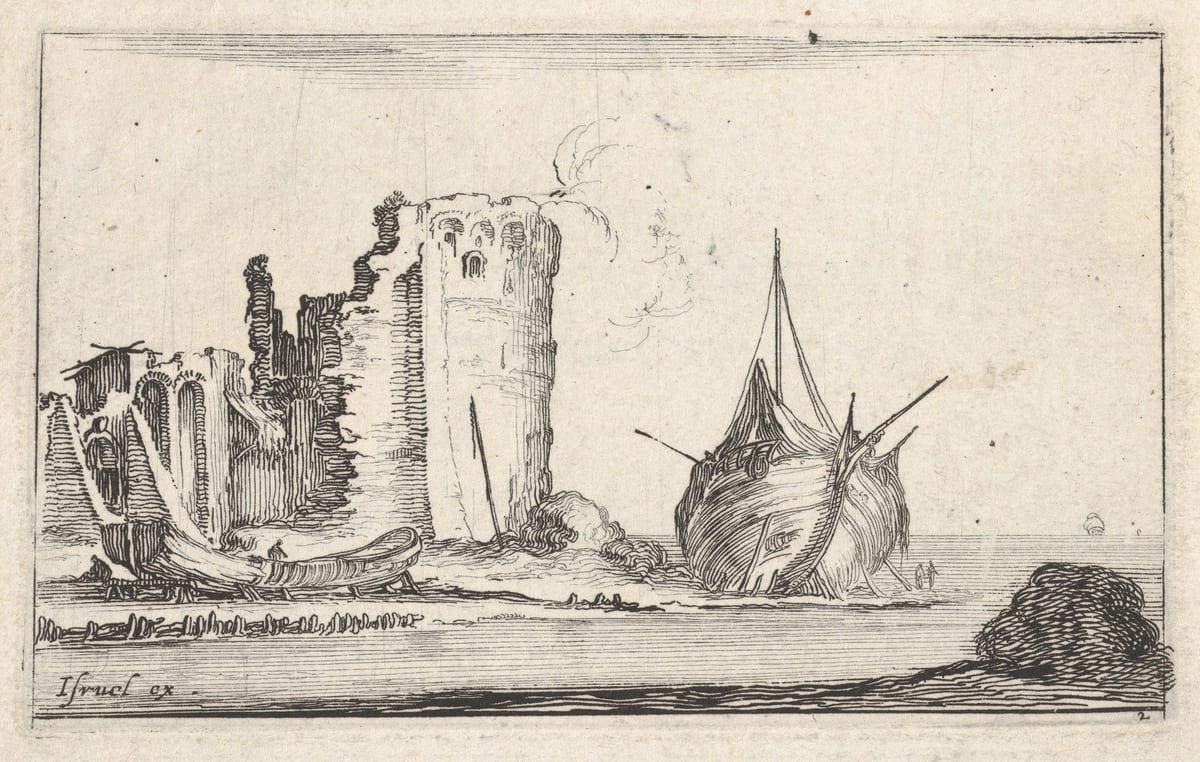
Not every source agrees on the exact route the phrase took. Robert Hendrickson’s Encyclopedia of Word and Phrase Origins offers a different account, tracing “all washed up” to a factory worker washing his hands at the end of the working day, a gesture of being finished with the job that then extended to mean finished as a business failure more broadly. That version, too, points to the early 1920s. Idiom Origins likewise treats the figurative use as an American coinage first attested in the 1920s, while also raising the possibility that the phrase echoes a much older literal image, that of debris washed up on a shoreline, a usage going back as far as the Middle Ages. On this reading, the modern sense of a person being cast aside and left with nothing may have drawn some of its force from that older picture of flotsam left behind by the tide.
Green’s Dictionary of Slang confirms the theatrical starting point, describing the term as originally American theatrical usage for being finished for the night, though its own citation record for washed up used as a noun only reaches back to 1947. The exact sequence between the theatre, the boxing ring and the factory floor is not settled, but all the accounts agree the expression took hold in American English in the 1920s.