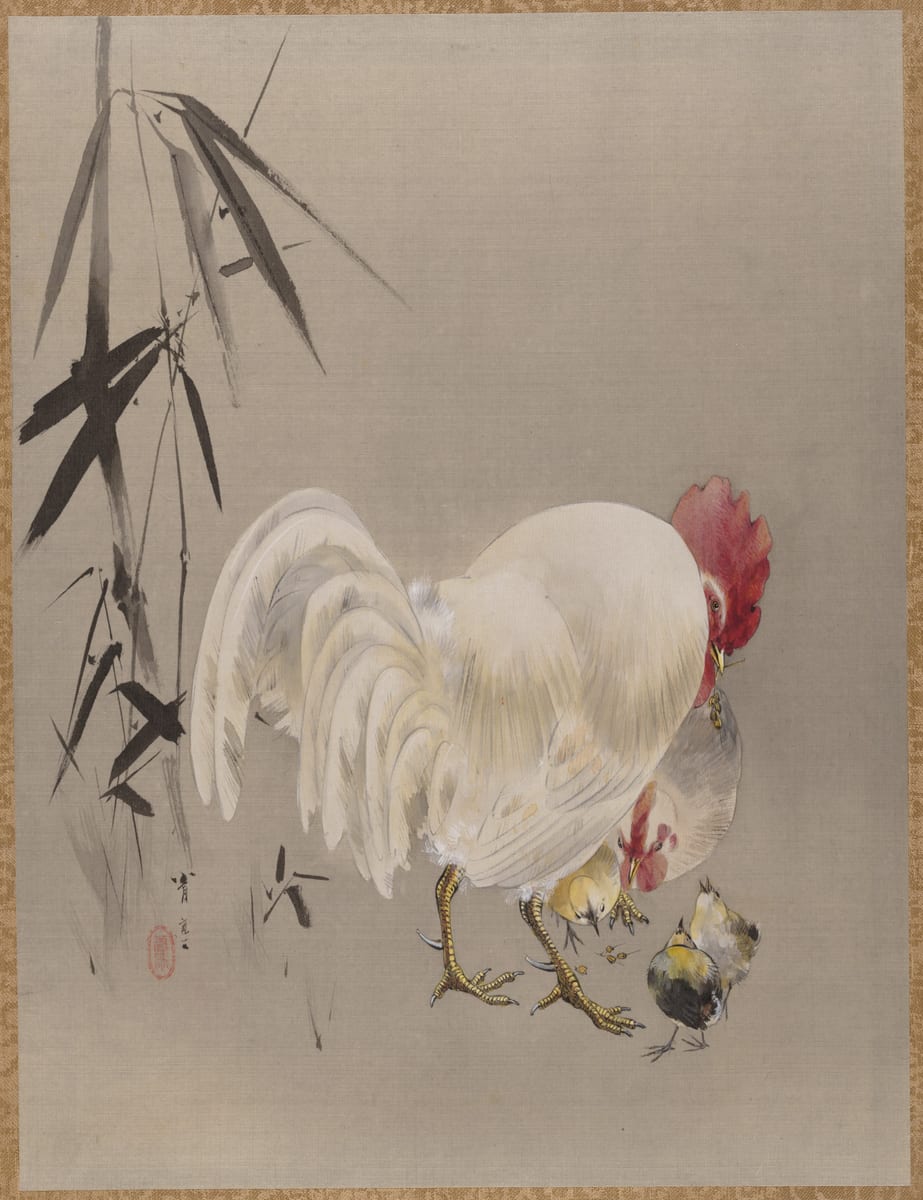
The saying warns against treating a hoped-for gain as though it were already secured. Eggs may not hatch, so counting the chickens you expect from them is premature: the profit is only imagined until it arrives. People use the phrase to check optimism about deals not yet closed, jobs not yet offered, or winnings not yet paid, and it carries a mild reproach, the kind of thing said to someone who is spending money they have not received. The advice is practical rather than gloomy. It does not say the good outcome will fail, only that you should wait for it before you rely on it.
What’s the origin of the phrase ‘don’t count your chickens before they hatch’?
The thought is old and the image is a natural one, so it appears in more than one tradition. It is usually linked to the Aesopic fable known as “The Milkmaid and Her Pail”, in which a girl carrying milk to market imagines the eggs she will buy, the chickens they will raise, and the finery she will wear, tossing her head at the daydream and spilling the milk. In V. S. Vernon Jones’s 1912 translation of Aesop’s Fables the moral is stated plainly: “Do not count your chickens before they are hatched.” The moral is often attached to the fable in modern collections, so it reads as a summary of the story’s lesson rather than a line handed down unchanged from antiquity.
The wording most often cited as the first English printing comes from Thomas Howell’s “New Sonnets and Pretty Pamphlets” of 1570, in the couplet “Counte not thy Chickens that vnhatched be, / Waye wordes as winde, till thou finde certaintee.” This is the form repeated by later reference works, though the 1570 original is hard to consult in facsimile, so it is best recorded as the commonly cited early source rather than a text confirmed at first hand.
A well-known verse example follows in the next century. Samuel Butler’s mock-heroic poem Hudibras, whose second part appeared in 1663, mocks those who “Make Fools believe in their fore-seeing / Of things before they are in Being; / To swallow Gudgeons ere they’re catch’d, / And count their Chickens ere they’re hatch’d.” The lines sit in Part 2, Canto 3, where Butler is ridiculing astrologers and their credulous clients. His pairing of catching fish and hatching chickens shows the proverb was already familiar enough to be turned to satire, and the neat rhyme of “catch’d” and “hatch’d” helped fix the expression in later use. The proverb shares its farmyard prudence with ‘a bird in the hand is worth two in the bush’, which values the certain over the hoped-for in just the same way.