Say “bully for you” today and you are almost certainly not paying a compliment. The phrase is a mock congratulation, delivered flat or with a raised eyebrow, and it means something like “how thrilling for you; I could not care less”. It comes out when someone’s boast or good news deserves a little deflating: “You’ve been upgraded to business class? Well, bully for you.” A speaker can still use it sincerely, but only in a knowingly old-fashioned way, and the listener may be left guessing. For the phrase began life as genuine applause; for a stretch of the nineteenth century, “Bully for you!” was one of America’s warmest cheers.
What’s the origin of the phrase ‘bully for you’?
“Bully” started out sweet. The word entered English in the 1530s as a term of endearment for either sex, roughly “sweetheart”, possibly borrowed from the Dutch “boel”, a lover or brother, according to the Online Etymology Dictionary. From there it relaxed into a matey form of address for a fine fellow. Shakespeare’s mechanicals use it that way in A Midsummer Night’s Dream, where Quince asks “What sayest thou, bully Bottom?”, and the Host in The Merry Wives of Windsor hails nearly everyone as “bully rook”, “bully doctor” or “bully Hercules”.
The word then split in two. One branch deteriorated, through “blusterer”, into the modern sense of someone who torments the weak, which was established by around 1700. The admiring branch survived as an adjective meaning worthy or jolly, recorded from the 1680s, and in nineteenth-century America “bully” came to mean simply first-rate: the Oxford English Dictionary’s examples include a cook promising “a bully dinner” in 1855.
Cheering “bully for” somebody grew out of that admiring sense. Green’s Dictionary of Slang finds the pattern in 1788, in a bawdy song in the Merry Muses of Caledonia, the collection associated with Robert Burns (“Bully for the great Plenipotentiary”), and picks up “bully for you” itself around 1848, in verse quoted in Bartlett’s Dictionary of Americanisms. Its heyday was the American Civil War. A Chicago song sheet of 1862 was titled “Uncle Abram, Bully for You!”, cheering Abraham Lincoln, and Charles Dawson Shanly’s war poem The Brier-Wood Pipe, collected in Frank Moore’s Rebellion Record, opens with a Union soldier exclaiming:
Ha! Bully for me, again, when my turn for picket is over
Not everyone approved. The magazine Civil War Monitor, surveying soldiers’ letters, quotes the Confederate captain Arthur W. Hyatt refusing the word in 1862: “I cannot say the supper was ‘bully’; it sounds even too vulgar for the army.”
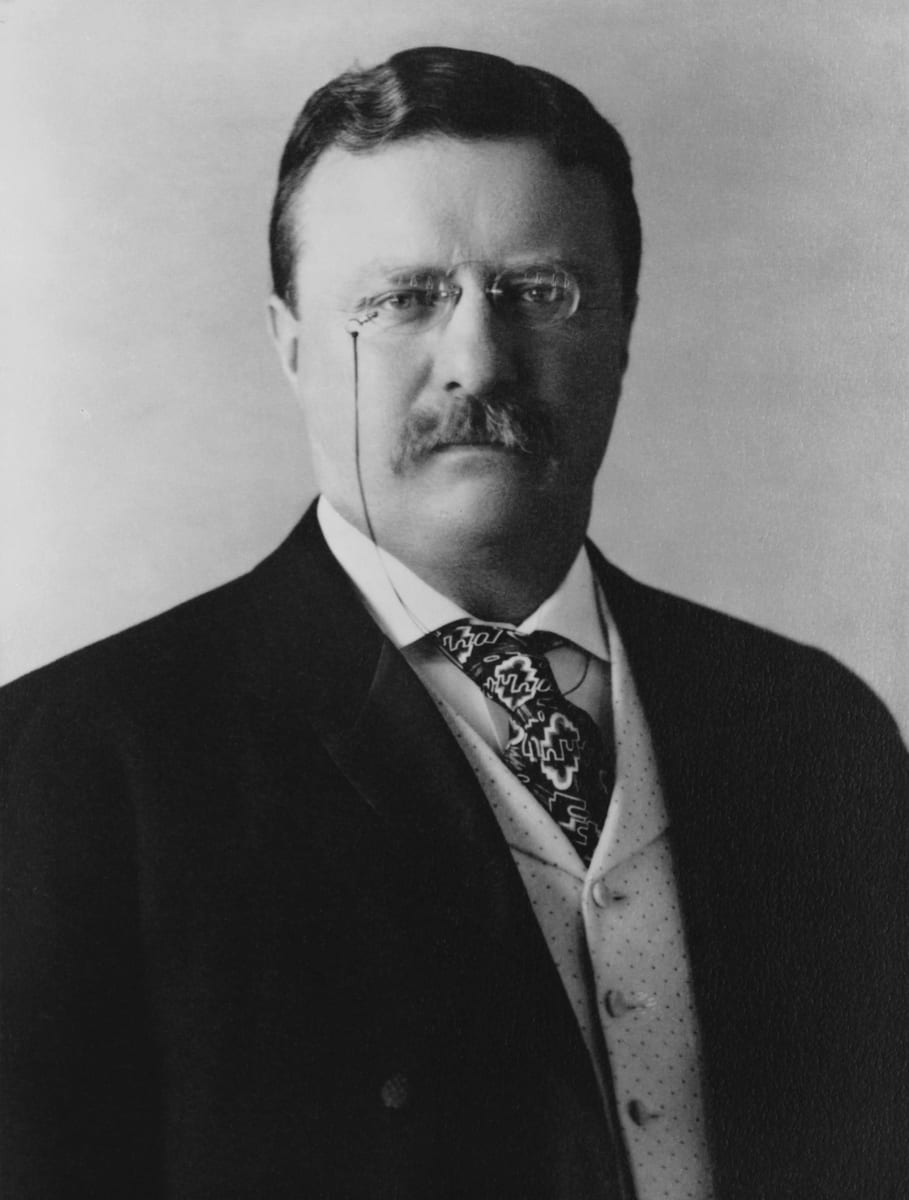
Theodore Roosevelt kept the cheer alive a generation longer than it might otherwise have lasted. A 1907 letter to Benjamin Ide Wheeler, president of the University of California, now held by the Shapell Manuscript Foundation, opens: “Bully for you. I wish we had you as Senator from a good many different States!” And in February 1909 The Outlook magazine quoted him saying of the presidency, “I suppose my critics will call that preaching, but I have got such a bully pulpit!”, the remark that gave American politics the phrase “bully pulpit”. Roosevelt’s other gift to the phrase book, speak softly and carry a big stick, has worn rather better.
After Roosevelt’s generation the adjective faded from everyday speech, and the exclamation was left stranded, sounding quainter with each decade. Quaint praise curdles easily into mockery, and the sarcastic reading gradually became the default: Green’s Dictionary of Slang now labels “bully for you” as usually ironic. The sincere shout survives only as period colour; today, the safe assumption is the curled lip.